Remote Cultural Services


Yamamilla Private 4x4 Guided Rock Art Tours
Join us on a powerful cultural journey through Kalkadoon Country. Led by Traditional Owners, this exclusive 4×4 tour showcases sacred sites, ancient rock art, and stories passed down for over 60,000 years.
Tour Highlights
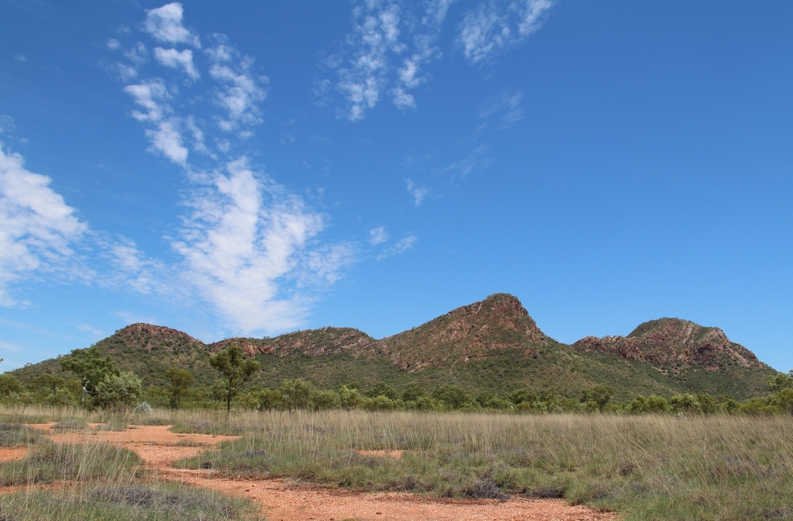
- Battle Mountain – Visit the site of the Kalkadoon resistance and hear stories of strength and survival.
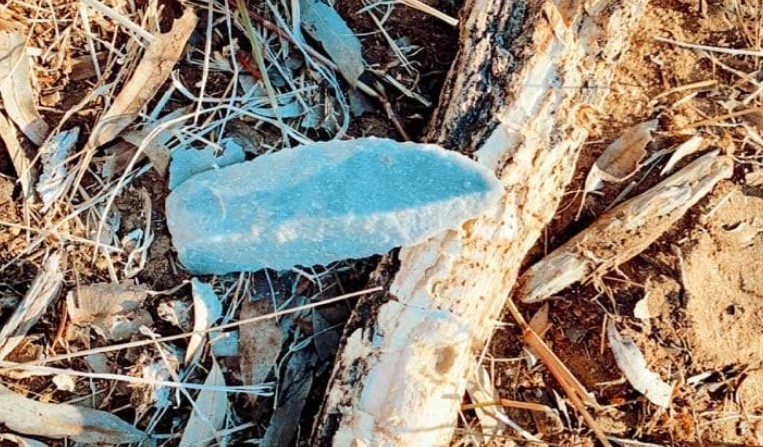
- Cultural Practices – Learn about spear-making, bush tucker, and see meaningful rock art symbols.
- Dreamtime Stories – Hear stories that connect land, spirit, and people.
- Music & Ceremony – Experience Kalkadoon song, dance and interactive cultural exchange (where possible).
About the Kalkadoon People
Also known as the Kalkatungu, the Kalkadoon are renowned for their warrior strength and artistic heritage. Their rock art—featuring dots, lines, and symbols—shares Dreamtime stories and cultural knowledge, forming one of the world’s oldest living art traditions.
Tour Info
What to Bring:
Comfortable walking shoes, hat, water bottle, sunscreen.
Pricing (AUD per person):
- 2 pax: $550
- 4 pax: $395
- 8 pax or more: $325
All dietary needs must be advised at booking.
Contact us:
📞 (07) 4749 1555
📧 heather@outbackatisa.com.au
🌐 www.outbackatisa.com.au
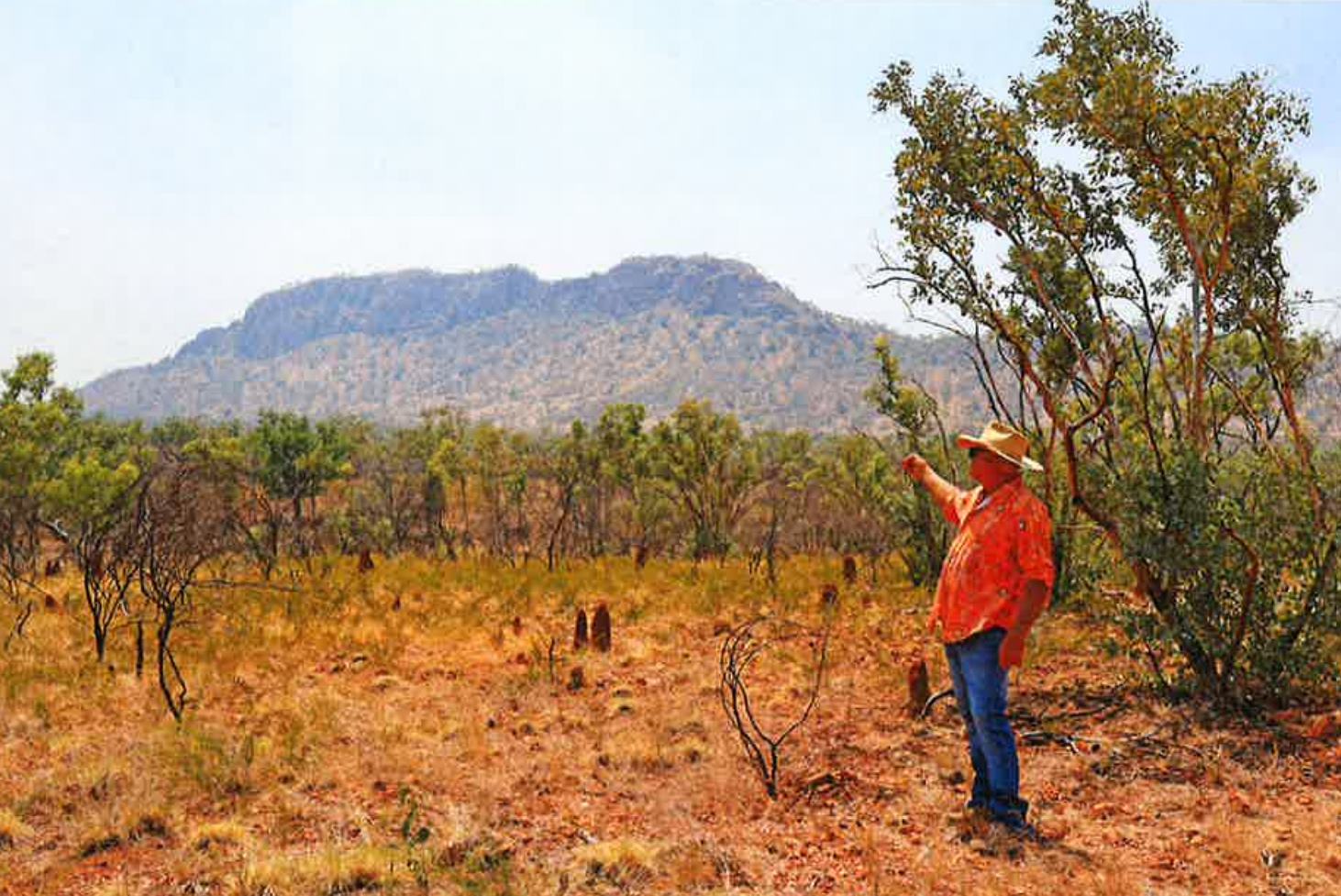
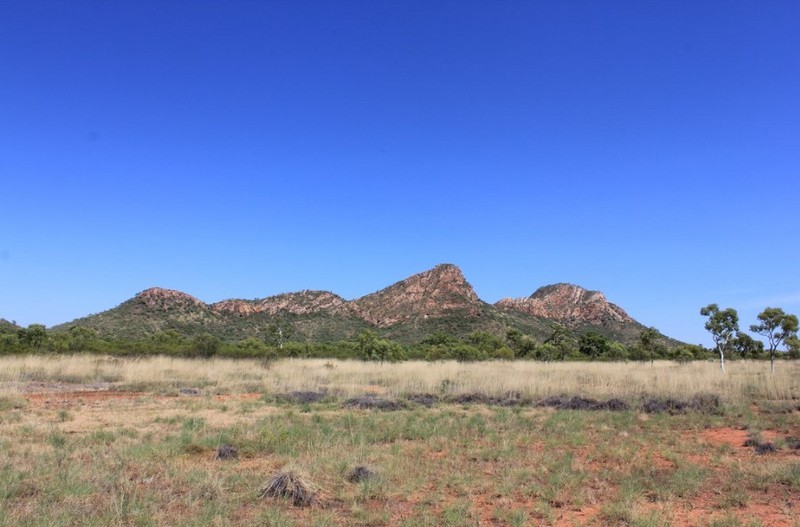
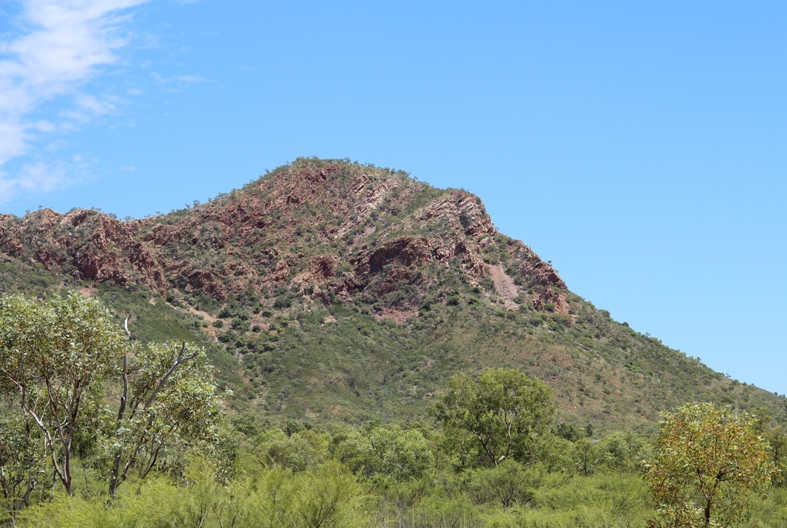
Battle Mountain
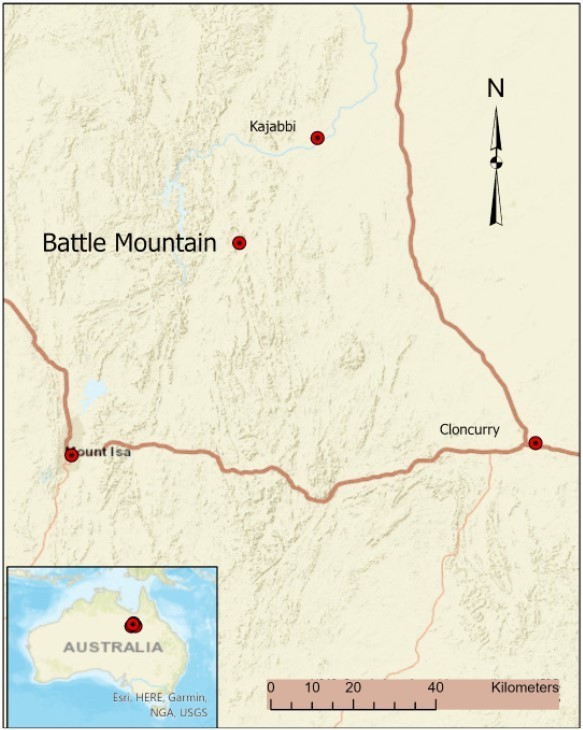
The Kalkadoon were tracked 60 miles north of Cloncurry to a place now known as Battle Mountain where over 900 Kalkadoon lay in wait. The Kalkadoon had chosen this place for the battle to take place they had stockpiled spears, boomerangs and rocks and the view from the mountain overlooked the plain below giving the tactical advantage to the Kalkadoon.
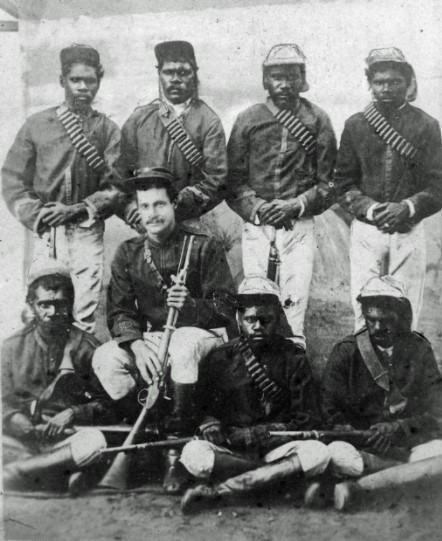
Sub inspector Urquhart started the battle by ordering the Kalkadoon to stand in the Queen’s name, they replied with a battle cry and hundreds of rocks thrown down the mountain. Urquhart then ordered a cavalry charge of 200 men on horseback up the mountain, their bullets bouncing off the rocks the Kalkadoon were using as cover and after 30 metres the horses could no longer climb the steep mountain and the men had to dismount and run for cover under a hail of spears. From high above the warriors shouted in defiance and continued their assault with rocks thrown down the mountain and while Urquhart was trying to regain control of his men and the battle he was hit in the head by a rock thrown by a large Kalkadoon warrior and fell unconscious to the ground. The native police temporarily abandoned other dead and dying and rushed to save their leader under a wall of covering rifle fire and with their leader saved but unconscious for hours the white army could offer no fight to the Kalkadoon warriors that were still raining rocks down the mountain.
When Sub Inspector Urquhart regained consciousness he immediately halved his army and flanked the mountain ready for an assault on two sides, it looked like the Kalkadoon warriors had little choice but to leave the cover of the boulders and prepare to defend in the open on two fronts. Upon seeing the flanking movement by Urquhart the Kalkadoon warriors left their cover and quickly formed ranks and without warning the warriors charged down the mountain with spears raised. The Kalkadoon lines with the pride and history of over 60,000 years of culture held for a brief moment as they charged their attackers and then as if history itself was being erased from the earth the Kalkadoon warriors were cut down by round after round after round of rifle fire.
The brave remaining Kalkadoon warriors waivered but not able to accept defeat, this was their land they had no choice so they reformed their lines and again charged their attackers. Again the mountain rang with rifle fire that mowed down the charging warriors, after a while the rifle fire stopped and so too had the Kalkadoon resistance. Urquhart was not satisfied with the slaughter that had taken place and for several days with his native troopers commenced a cleaning up operation where any Kalkadoon survivors found were also killed.
The Kalkadoon people were the only aboriginal people to stand up to an organised force of white men in open combat and fight to the very end but their stone age weapons of the past were no match for the white man’s firepower of the future.
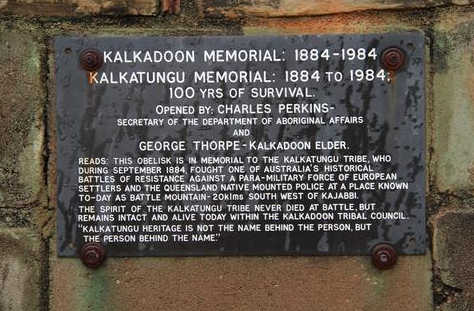
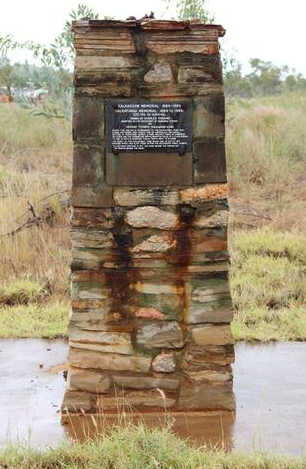
A lone reminder of one of Australia’s fiercest battles is a memorial obelisk near Battle Mountain which reads:
This obelisk is in memorial to the Kalkatunga tribe, who during September 1884 fought one of Australia`s historical battles of resistance against a Para-military force of European settlers and the Queensland Native Mounted Police at a place known to-day as Battle Mountain – 20 klms south west of Kajabbi. The spirit of the Kalkatunga tribe never died at battle, but remains intact and alive today within the Kalkadoon Tribal Council. “Kalkatunga heritage is not the name behind the person, but the person behind the name.”
Only 29 Kalkadoon people survived the battle of Battle Mountain.
Doug Bruce
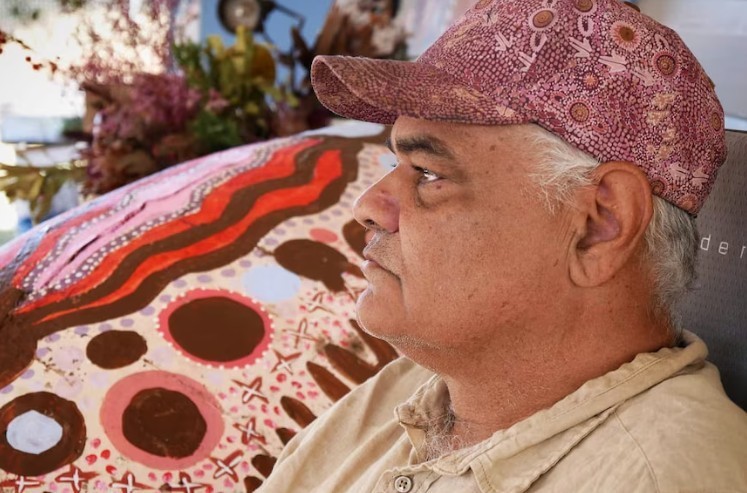
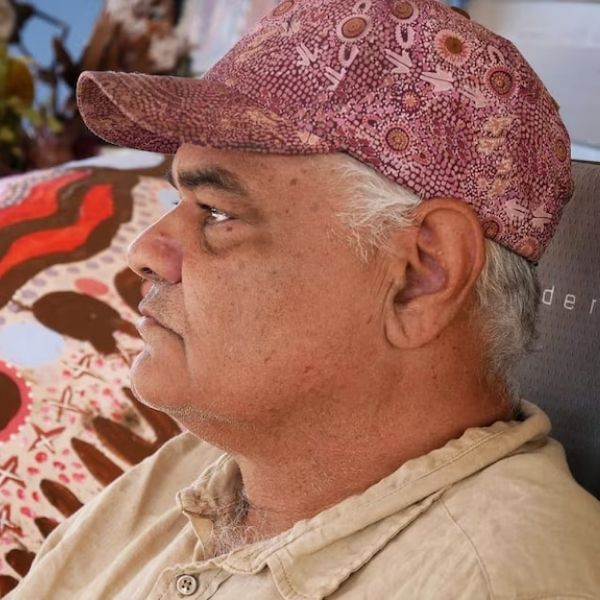
Doug Bruce is a proud Kalkadoon man and respected cultural custodian based in Mount Isa, Queensland. As the founder of Remote Cultural Services, Doug is dedicated to sharing the deep history, stories, and cultural knowledge of his people through immersive guided tours on Country. His tours at Battle Mountain and Kajabbi offer visitors a rare opportunity to walk on sacred ground, hear powerful Dreamtime stories, and connect with the spirit of the land.
Doug played a pivotal role in the Kalkadoon people’s successful native title claim and continues to advocate for cultural preservation and education. With decades of lived experience and cultural authority, Doug brings authenticity, respect, and insight to every tour.
Whether sharing bush tucker knowledge, traditional artefacts, or the story of Kalkadoon resistance, Doug’s passion is to keep culture strong and ensure it is passed on to future generations.